-

Skin Skulpt
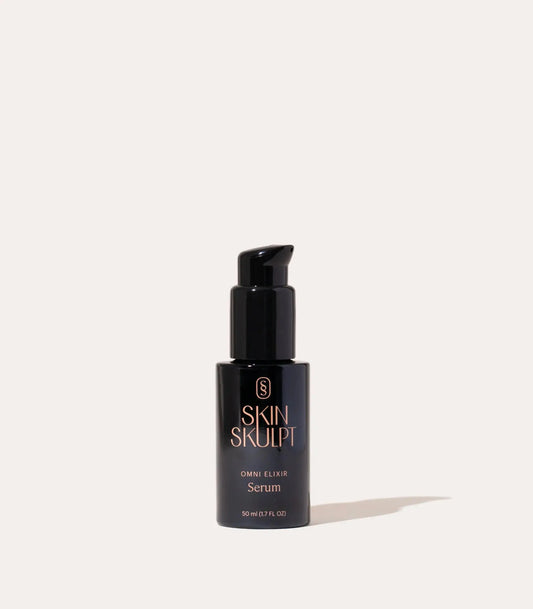
Omni Elixir Serum
All in one serumSkin Skulpt
Omni Elixir Serum
All in one serumRegular price $150.00Regular priceUnit price per -
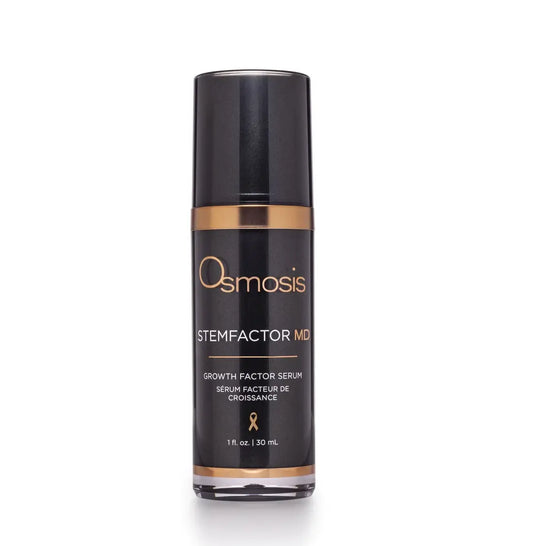
Osmosis
StemFactor Advanced MD
Cell growth serumOsmosis
StemFactor Advanced MD
Cell growth serumRegular price $150.00Regular priceUnit price per -

Osmosis
Renew Advanced MD
Reparative serumOsmosis
Renew Advanced MD
Reparative serumRegular price $125.00Regular priceUnit price per -

DNA Skin
Supernatural Vitamin A Serum
Anti-aging serumDNA Skin
Supernatural Vitamin A Serum
Anti-aging serumRegular price $76.00Regular priceUnit price per -

DNA Skin
MediClear Skin Lightening Gel
Lightening gelDNA Skin
MediClear Skin Lightening Gel
Lightening gelRegular price $72.00Regular priceUnit price per -

DNA Skin
Zen Therapy Treatment Gel
Soothing elasticity gelDNA Skin
Zen Therapy Treatment Gel
Soothing elasticity gelRegular price $74.00Regular priceUnit price per -

DNA Skin
Lift & Firm Botanical Gel
Antioxidant rich firming gelDNA Skin
Lift & Firm Botanical Gel
Antioxidant rich firming gelRegular price $70.00Regular priceUnit price per -

DNA Skin
Anti-Wrinkle Booster Drops
Booster dropsDNA Skin
Anti-Wrinkle Booster Drops
Booster dropsRegular price $88.00Regular priceUnit price per -

DNA Skin
Blemish Booster Drops
Treat breakouts and reduce rednessDNA Skin
Blemish Booster Drops
Treat breakouts and reduce rednessRegular price $88.00Regular priceUnit price per -
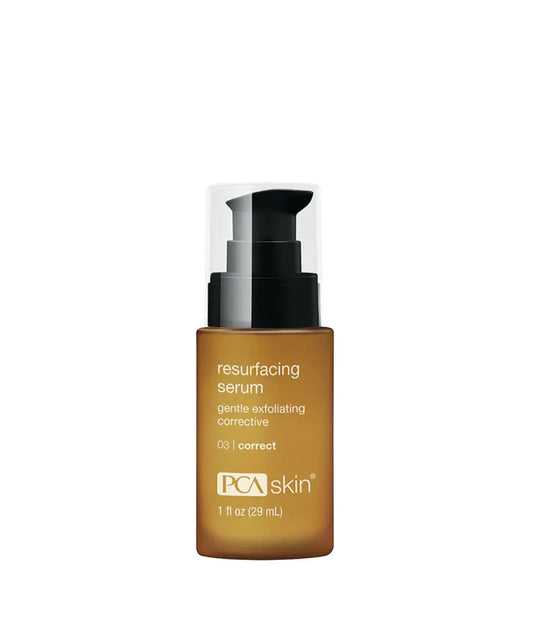
Heather Nicole Advanced Skincare
Resurfacing Serum
Corrective serumHeather Nicole Advanced Skincare
Resurfacing Serum
Corrective serumRegular price $105.00Regular priceUnit price per -
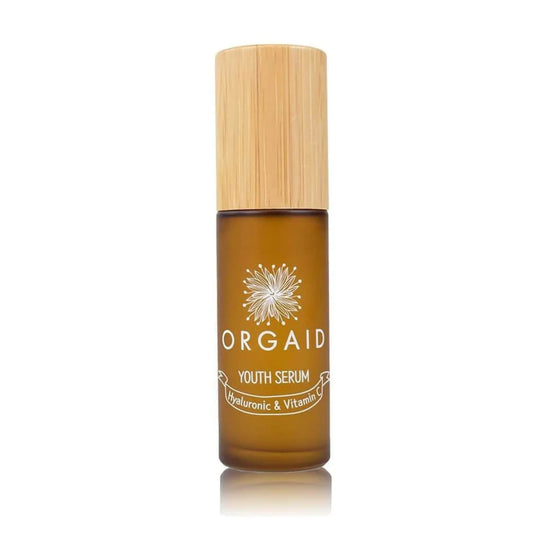
Orgaid
Youth Serum
Hydrating and regenerative serumSold outOrgaid
Youth Serum
Hydrating and regenerative serumRegular price $64.00Regular priceUnit price per -

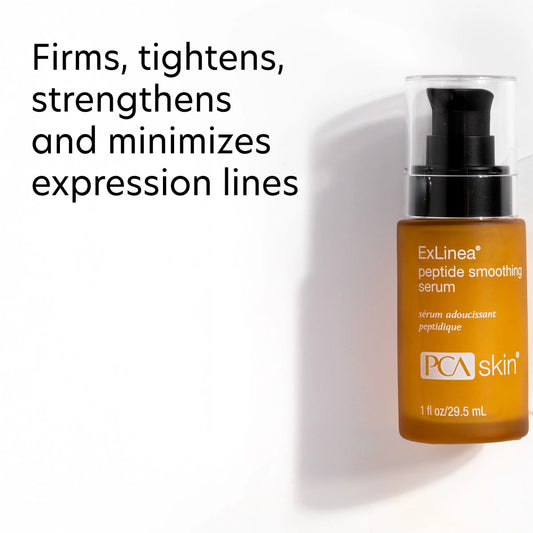
PCA
ExLinea Peptide Smoothing Serum
Smoothing serum to reduce wrinklesSold outPCA
ExLinea Peptide Smoothing Serum
Smoothing serum to reduce wrinklesRegular price $120.00Regular priceUnit price per -

DNA Skin Institute
Signal Plus
Cell renewing serumDNA Skin Institute
Signal Plus
Cell renewing serumRegular price $180.00Regular priceUnit price per -

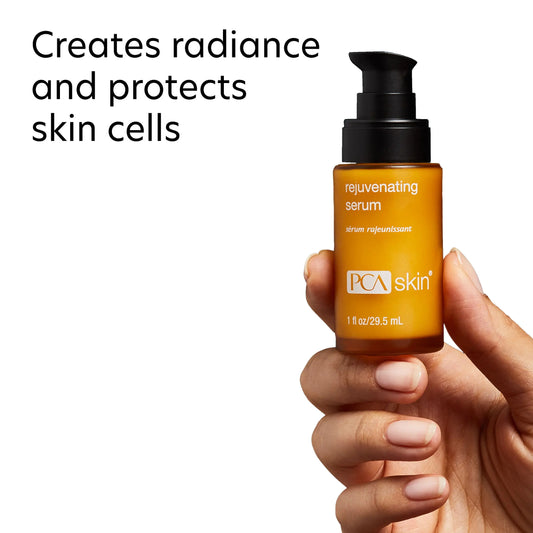
PCA
Rejuvenating Serum
Daily anti-aging treatment to reduce fine lines and boost radiancePCA
Rejuvenating Serum
Daily anti-aging treatment to reduce fine lines and boost radianceRegular price $92.00Regular priceUnit price per -

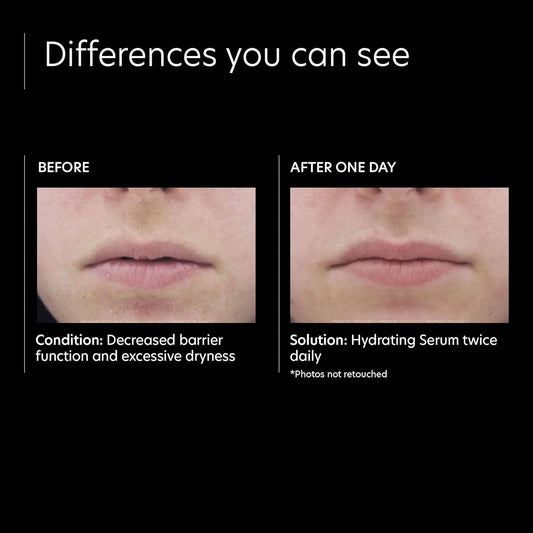
PCA
Hydrating Serum
Hydrating serum moisturizer to plump and protect thirsty skinPCA
Hydrating Serum
Hydrating serum moisturizer to plump and protect thirsty skinRegular price $92.00Regular priceUnit price per -

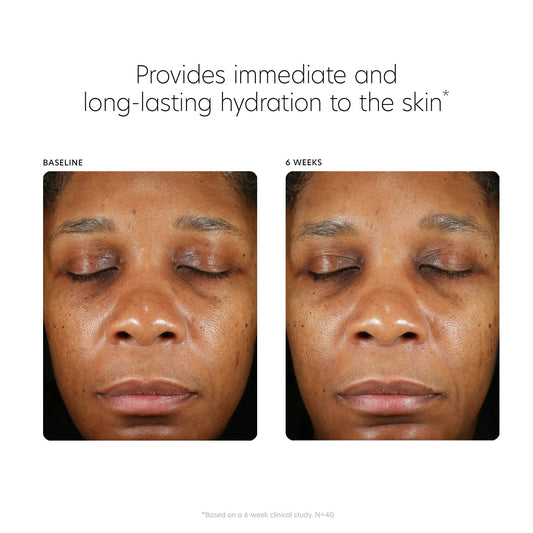
PCA
Hyaluronic Acid Boosting Serum
Deeply hydrating serum to plump skin, smooth fine lines, and stimulate HA productionPCA
Hyaluronic Acid Boosting Serum
Deeply hydrating serum to plump skin, smooth fine lines, and stimulate HA productionRegular price $115.00Regular priceUnit price per -
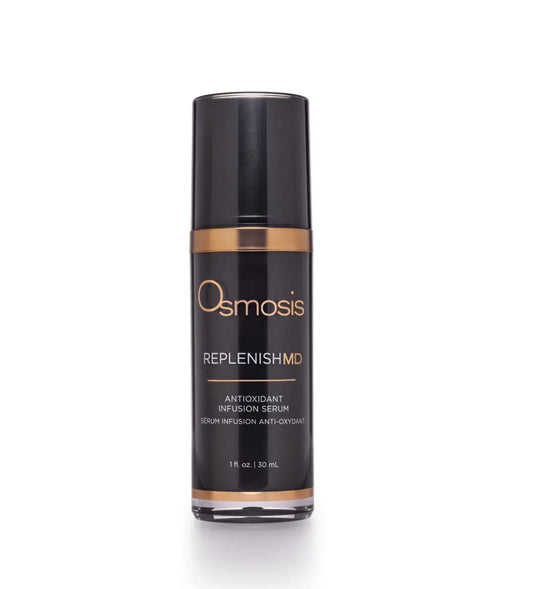
Osmosis
Replenish Advanced MD
Antioxidant infusion serumOsmosis
Replenish Advanced MD
Antioxidant infusion serumRegular price $104.00Regular priceUnit price per -

Osmosis
Catalyst AC-11 MD Advanced
DNA repair C serumOsmosis
Catalyst AC-11 MD Advanced
DNA repair C serumRegular price $165.00Regular priceUnit price per -
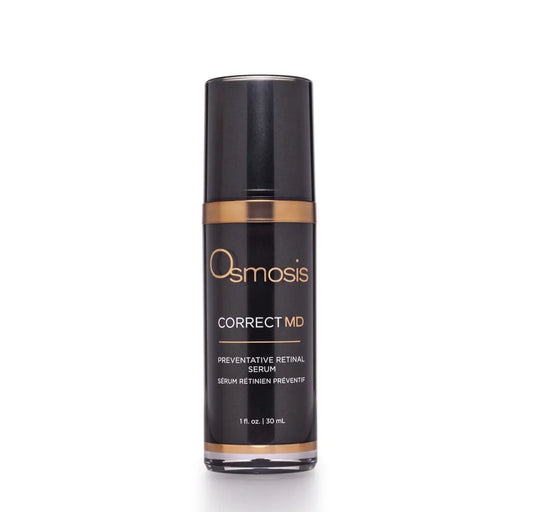
Osmosis
Correct MD Advanced
Preventative retinal serumOsmosis
Correct MD Advanced
Preventative retinal serumRegular price $110.00Regular priceUnit price per -
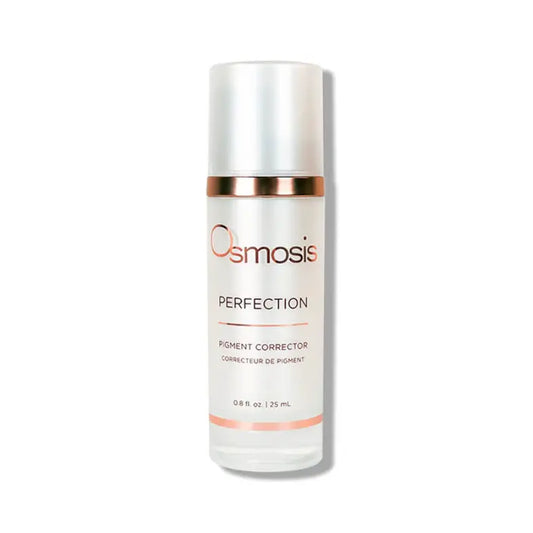
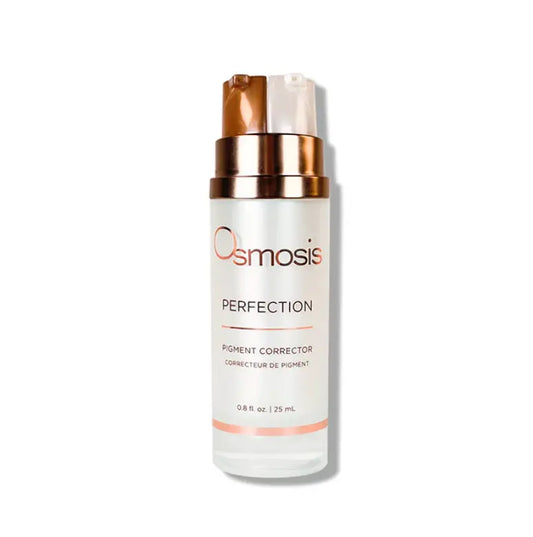
Osmosis
Perfection
Pigment correctorSold outOsmosis
Perfection
Pigment correctorRegular price $84.00Regular priceUnit price per -

DNA Skin Institute
Zen Cell Therapy Oil Serum
Hydrating facial oilDNA Skin Institute
Zen Cell Therapy Oil Serum
Hydrating facial oilRegular price $82.00Regular priceUnit price per