-
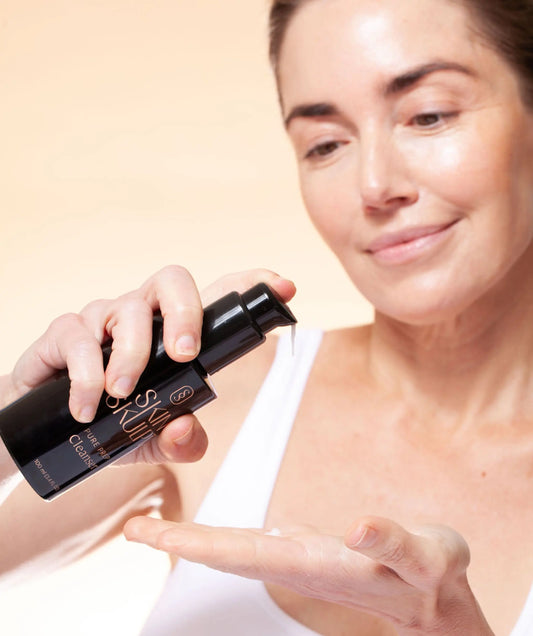
Skin Skulpt
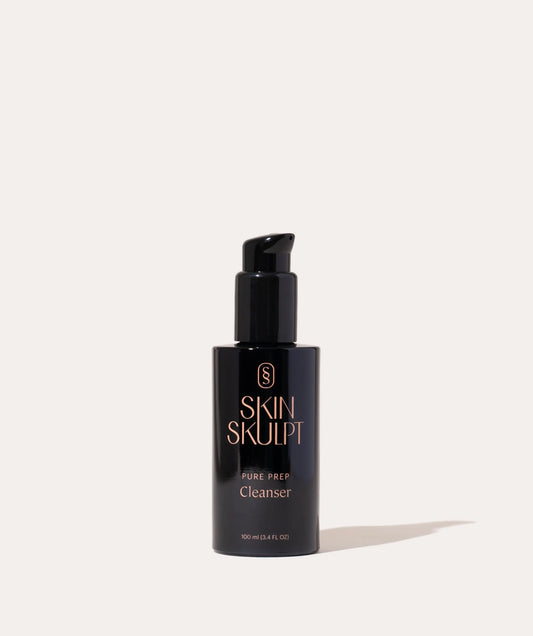
Pure Prep Cleanser
Gentle foaming cleanserSkin Skulpt
Pure Prep Cleanser
Gentle foaming cleanserRegular price $55Regular priceUnit price per -

DNA Skin
Citrus Burst Gel Cleanser
Mild cleanserDNA Skin
Citrus Burst Gel Cleanser
Mild cleanserRegular price $64Regular priceUnit price per -

DNA Skin
Crème of Nectar Soothing Wash
Soothing facial cleanserDNA Skin
Crème of Nectar Soothing Wash
Soothing facial cleanserRegular price $64Regular priceUnit price per -

DNA Skin
MediClear Skin Lightening Wash
Lightening washDNA Skin
MediClear Skin Lightening Wash
Lightening washRegular price $68Regular priceUnit price per -

DNA Skin
Phyto-Lipid Hydrating Scrub
Hydrating scrubDNA Skin
Phyto-Lipid Hydrating Scrub
Hydrating scrubRegular price $68Regular priceUnit price per -

DNA Skin Institute
DNA Skin MediClear Natural Cleansing Pads
Exfoliating cleansing padsDNA Skin Institute
DNA Skin MediClear Natural Cleansing Pads
Exfoliating cleansing padsRegular price $64Regular priceUnit price per -
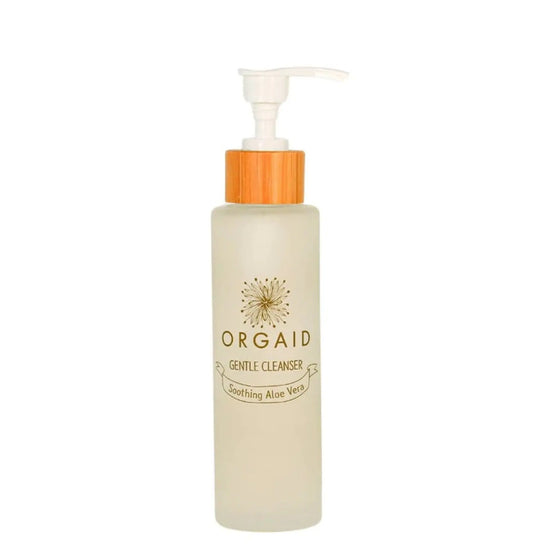
Orgaid
Gentle Cleanser
Gentle cleanserSold outOrgaid
Gentle Cleanser
Gentle cleanserRegular price $34Regular priceUnit price per -
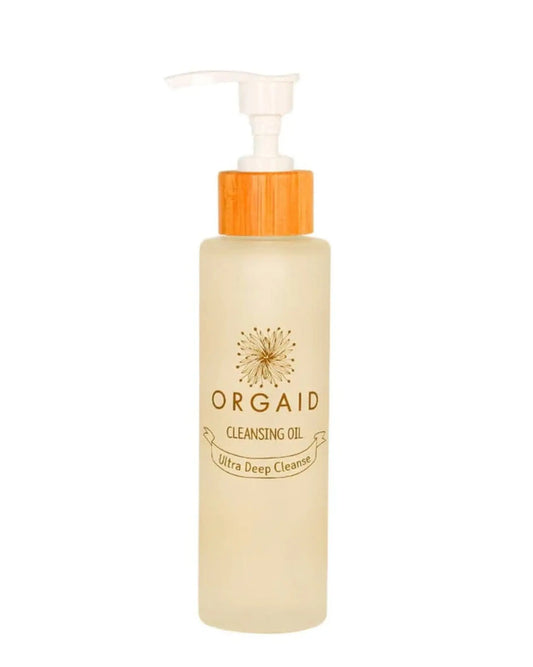
Orgaid
Cleansing Oil
Organic cleansing oilSold outOrgaid
Cleansing Oil
Organic cleansing oilRegular price $44Regular priceUnit price per -
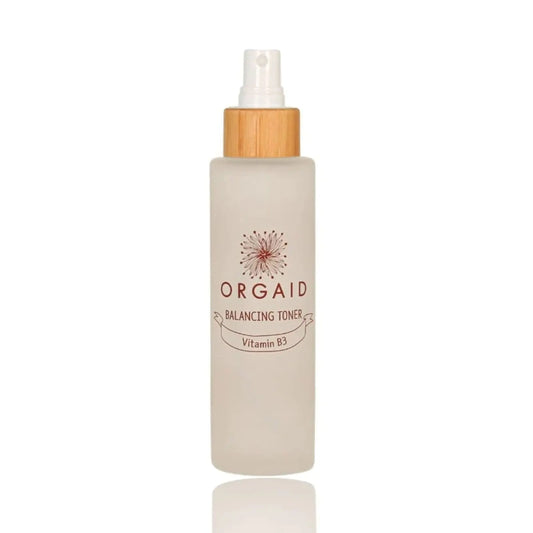
Orgaid
Balancing Toner
Hydrating and balancing tonerOrgaid
Balancing Toner
Hydrating and balancing tonerRegular price $32Regular priceUnit price per -

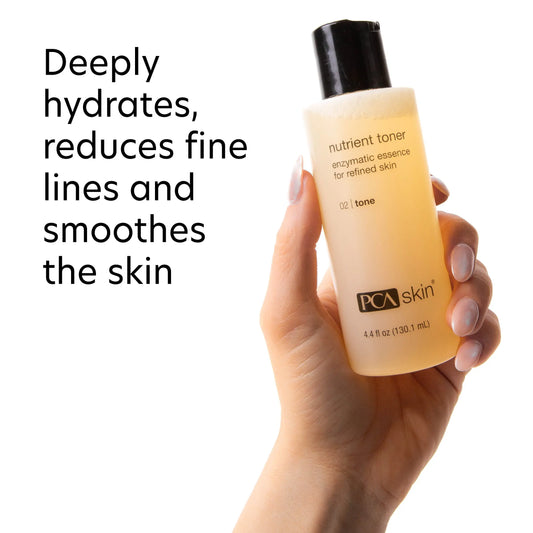
PCA
Nutrient Toner
Toner for exfoliating, hydrating, and refining pores for a glowing complexionPCA
Nutrient Toner
Toner for exfoliating, hydrating, and refining pores for a glowing complexionRegular price $47Regular priceUnit price per -


PCA
Hydrating Toner
A face toner that removes dirt and oil while hydrating your skinPCA
Hydrating Toner
A face toner that removes dirt and oil while hydrating your skinRegular price $40Regular priceUnit price per -

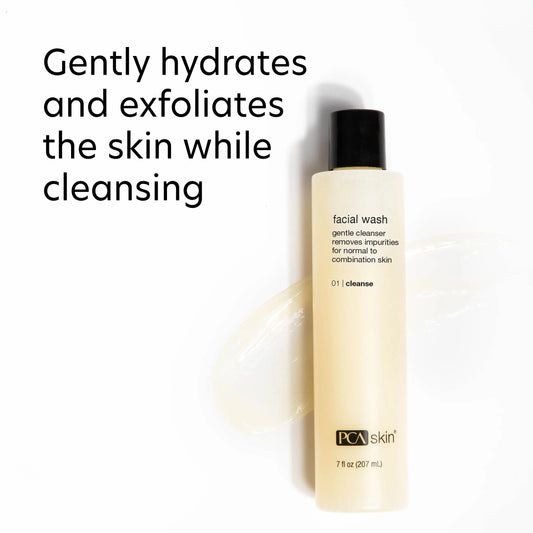
PCA
Facial Wash
Gentle cleanser that exfoliates with lactic acidPCA
Facial Wash
Gentle cleanser that exfoliates with lactic acidRegular price $33Regular priceUnit price per -

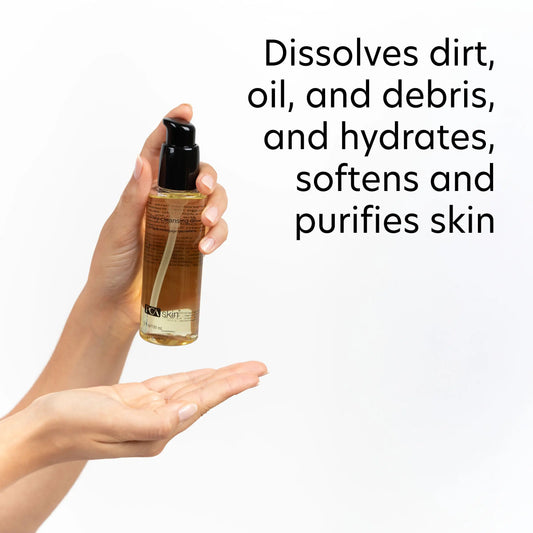
PCA
Daily Cleansing Oil
Cleansing oil to remove makeup and hydrate skinPCA
Daily Cleansing Oil
Cleansing oil to remove makeup and hydrate skinRegular price $38Regular priceUnit price per -

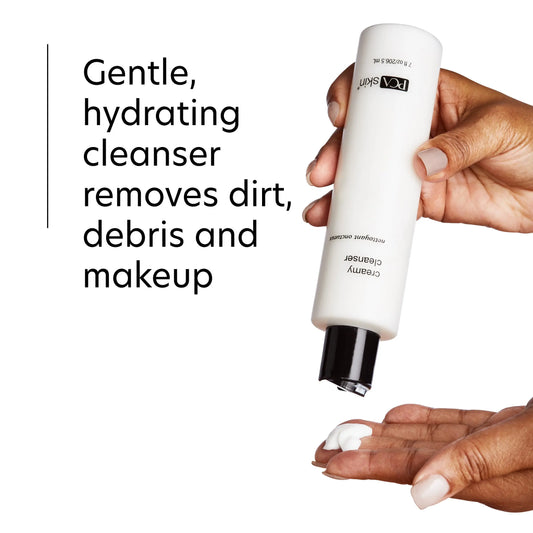
PCA
Creamy Cleanser
Rich, creamy cleanser for dry to extra dry skinPCA
Creamy Cleanser
Rich, creamy cleanser for dry to extra dry skinRegular price $33Regular priceUnit price per -

PCA
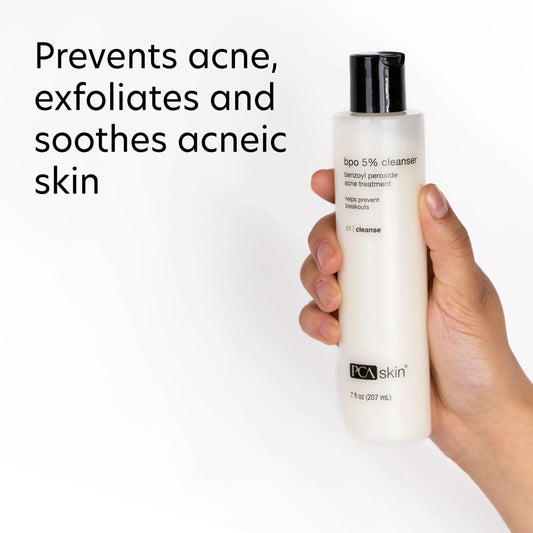
BPO 5% Cleanser
5% Benzoyl peroxide daily cleanser for acne-prone skinPCA
BPO 5% Cleanser
5% Benzoyl peroxide daily cleanser for acne-prone skinRegular price $39Regular priceUnit price per -

Starseed Skincare
Purifying Foam Cleanser
Gentle Foam CleanserStarseed Skincare
Purifying Foam Cleanser
Gentle Foam CleanserRegular price $49Regular priceUnit price per -

Skin Skulpt
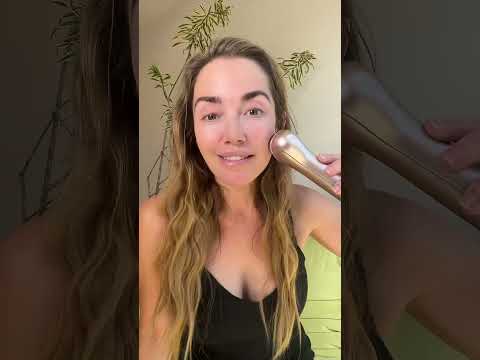
The Complete Rejuvenation Kit · Summer Special
The Skin Skulpt skin Perfecting systemSkin Skulpt
The Complete Rejuvenation Kit · Summer Special
The Skin Skulpt skin Perfecting systemRegular price $1,149Regular priceUnit price per$1,149Sale price $1,149 -

Skin Skulpt
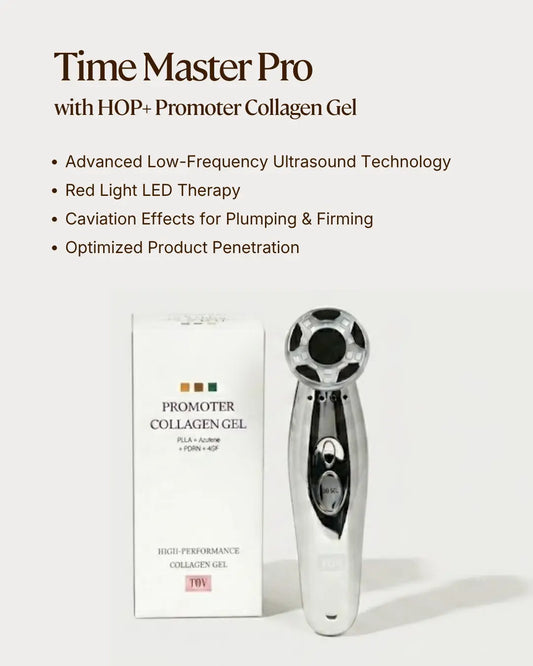
The home Skulpt Pro Kit · $100 off
25% Off · Complete Glow Kit + Time Master BundleSaleSkin Skulpt
The home Skulpt Pro Kit · $100 off
25% Off · Complete Glow Kit + Time Master BundleRegular price $1,849Regular priceUnit price per$1,949Sale price $1,849Sale