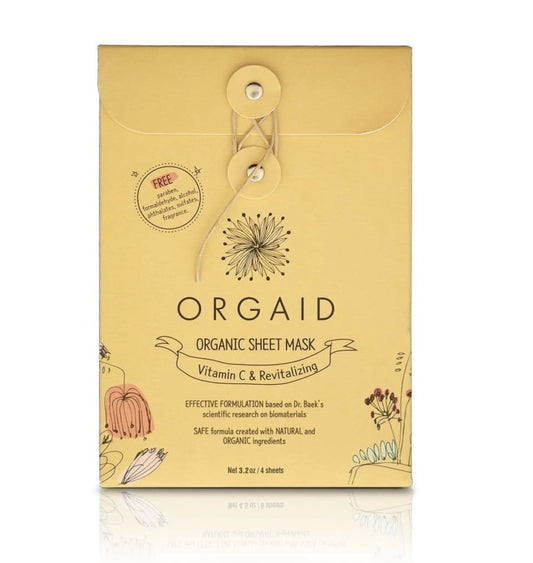
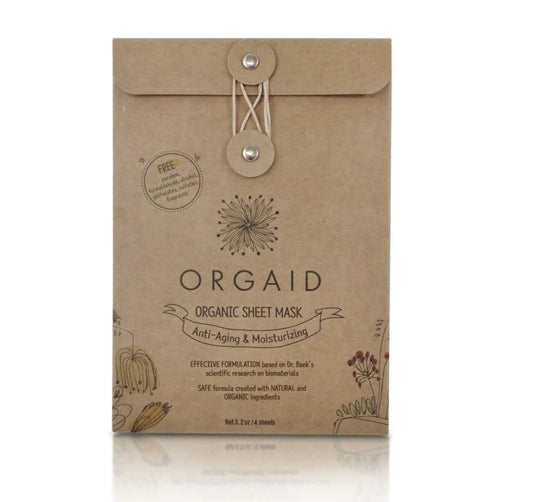
The organic sheet mask range here is the largest part of the selection, formulated with organic ingredients and marked as such on pack.
Heather Nicole is known as the Peel Queen. Resurfacing is where she has spent most of her career, and it shows in what she stocks.
Nine products, and they do three different jobs. Sheet masks deliver a concentrated dose in twenty minutes. Overnight masks work while you sleep. Exfoliants clear the way so everything else absorbs.
Most people need one of each, used at different points in the week. What follows sets out which is which.
Organic Sheet Masks
That distinction matters more with a sheet mask than almost anywhere else in skincare. A serum sits on your skin for a minute before you rub it in. A sheet mask holds its formula against your face under occlusion for twenty. Whatever is in it goes further.
The range, by what each one targets:
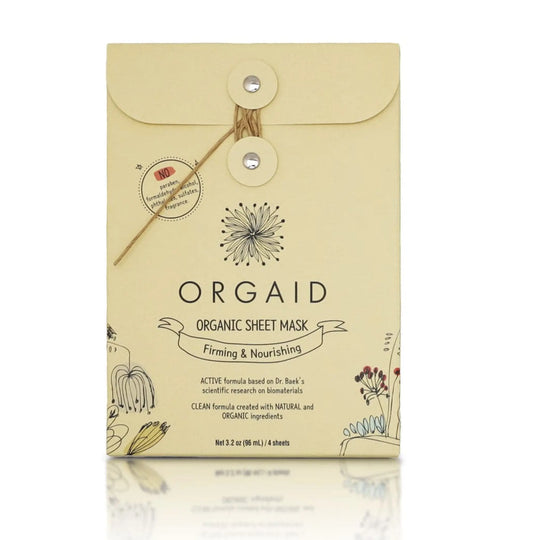
- Organic Firming and Nourishing Sheet Mask, a firming face mask for loss of bounce. Four pack.
- Vitamin C Rejuvenating Sheet Mask, for dullness and uneven tone. Four pack.
- Organic Anti-Aging & Moisturizing Sheet Mask, an anti aging sheet mask that hydrates at the same time. Four pack.
- Organic Sheet Mask Multi Pack, six sheets covering firming, anti-aging and vitamin C. The sensible way to find out which suits you.
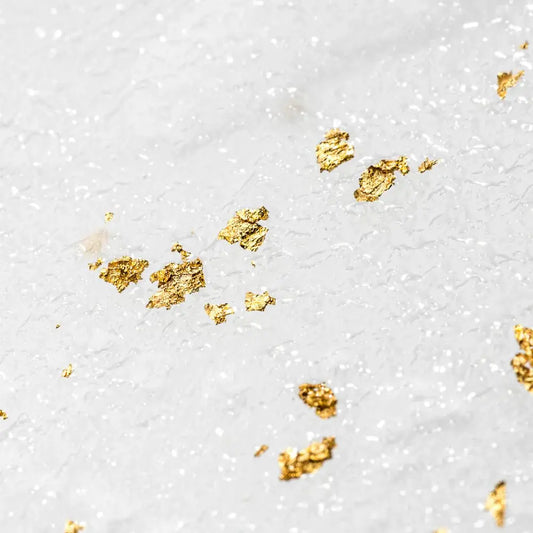
- HOP+ 24K Gold Volumizing Sheet Mask, a five pack for plumping and detoxifying.
Are organic sheet masks better? On ingredient quality, generally yes, and the occlusion argument above is the reason it matters here specifically. On immediate visible result, the difference is smaller than the price gap suggests. Buy them for what is in the serum, not for a dramatic difference in the first twenty minutes.
Choose this if: You want a concentrated treatment with no commitment and no downtime.
Look at this instead: If you want change that lasts beyond the evening, the overnight and exfoliating options below do more over time.
When to Exfoliate, and How Often
Do you cleanse or exfoliate first? Cleanse first, always. Exfoliating over a face that still carries makeup, sunscreen and the day's grime means you are working the exfoliant through that layer rather than against your skin. Clean skin first, then exfoliate.
How often should you exfoliate your face? Two to three times a week for most skin. Oily and congested skin tolerates three. Dry or reactive skin should sit at once, sometimes less. Daily exfoliation is the most common mistake in skincare, and it produces exactly the dullness and irritation people then try to exfoliate away.
When? Evening. Exfoliation leaves skin temporarily more sensitive to daylight, and there is no benefit to doing it in the morning that outweighs that.
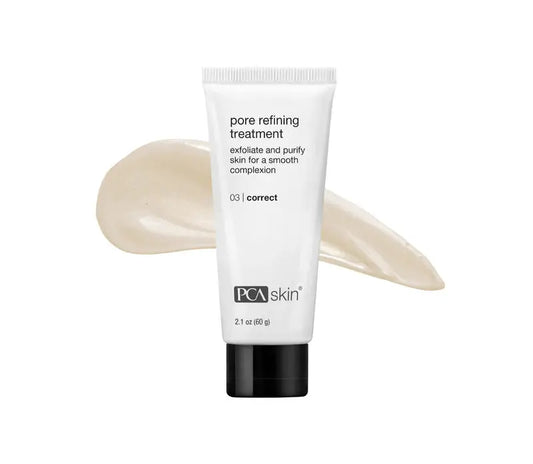
PCA Pore Refining Treatment is the exfoliant here, a face exfoliant for oily skin that reduces excess oil and impurities. Powerful enough to matter, which is why frequency discipline applies.
Can you use a mask and exfoliant together? Not in the same session, in most cases. Exfoliate one evening, mask another. The exception is a hydrating or barrier repair mask directly after exfoliating, which soothes rather than adds load.
For the wider cleanser range, see Cleansers & Toners.
Overnight and Barrier Repair Masks
PCA Hyaluronic Acid Overnight Mask. A hydration boosting mask left on while you sleep. Skin loses more water overnight than at any other point in the day, so an occlusive layer applied last thing does more than the same product applied in the morning.
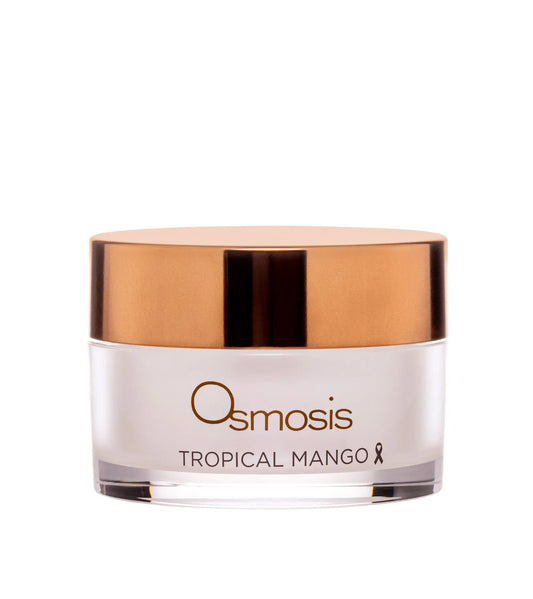
Osmosis Tropical Mango Mask. A barrier repair mask, for skin that has been over-treated. If your face stings when you apply products it usually tolerates, your barrier is the problem and nothing else will work until it recovers.
What does an overnight mask do? It seals in what you applied beneath it and reduces water loss across seven or eight hours. It is not a stronger version of a day cream. It is the same job done for longer, under occlusion, at the point when skin is already repairing.
See also the barrier repair options in Moisturizers.
Choose this if: Your skin feels tight or reactive, and you want something working while you sleep.
Look at this instead: If your concern is dullness before an event rather than ongoing repair, a sheet mask works faster.
The Luminescence Peel
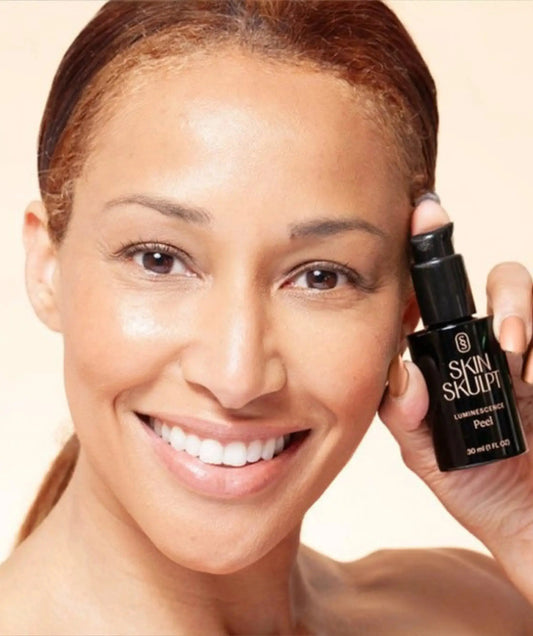
The Skin Skulpt Luminescence Peel also sits in this collection. It is the strongest resurfacing option here and the product Heather is best known for. Full detail, including how often to use it, is in Skin Skulpt Skin Care alongside the rest of her own line.
FAQ
How often should you use a face mask?
One to three times a week depending on type. Sheet masks suit twice weekly. Overnight hydrating masks tolerate two to three nights. Exfoliating treatments should stay at two to three times a week at most. Barrier repair masks can be used nightly while skin recovers.
How long should you leave a sheet mask on?
Fifteen to twenty minutes. Remove it once the sheet starts to dry, because a drying sheet draws moisture back out of your skin rather than into it. Longer is not better, and leaving one on overnight is counterproductive.
Do you wash your face after a sheet mask?
No. Pat the remaining serum into your skin rather than rinsing it away, since that serum is what you paid for. Follow with moisturizer to seal it in. Rinsing removes the active ingredients before they have finished absorbing.
Are organic sheet masks better?
On ingredient quality, generally yes. It matters more with sheet masks than most products because the formula sits against your skin under occlusion for twenty minutes rather than absorbing in seconds. On immediate visible result, the difference is smaller than the price gap suggests.
What does an overnight mask do?
It seals in what you applied beneath it and reduces water loss across seven or eight hours. It is not a stronger day cream. It is the same job done for longer, under occlusion, at the point when skin is already repairing itself.
Can you use a mask and exfoliant together?
Not in the same session, in most cases. Exfoliate one evening and mask another. The exception is a hydrating or barrier repair mask applied directly after exfoliating, which soothes rather than adding further load to the skin.
What is the difference between a sheet mask and a cream mask?
Delivery. A sheet holds serum against the skin under occlusion for a set time, then comes off. A cream mask sits on the surface and is either rinsed or absorbed. Sheets suit hydration and quick results. Creams suit exfoliation and deeper treatment.